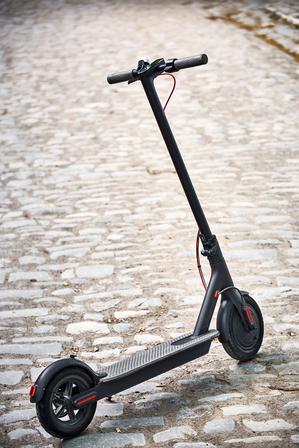
Electric scooters have transformed urban transportation. Millions of commuters now rely on them daily for affordable, eco-friendly, and efficient travel. But with the rise in popularity comes a rise in accidents and injuries. Safety should be every rider's top priority, whether you are a first-time buyer or a seasoned commuter. This comprehensive guide covers everything you need to know to stay safe on your electric scooter, from essential gear and pre-ride checks to defensive riding techniques and what to do after an accident.
Why Scooter Safety Matters
Emergency room visits for electric scooter injuries have surged in recent years, mirroring the explosive growth in ridership. The most common injuries involve the head, wrists, and collarbones. Small wheels, high speeds, and urban traffic create a perfect storm for accidents. The good news is that most accidents are preventable with proper gear, technique, and awareness.
Speed combined with small wheels means less stability and longer stopping distances. A collision at 15-20 MPH can cause serious injury. But riders who wear helmets and protective gear, follow traffic rules, and practice defensive riding dramatically reduce their risk.
Essential Safety Gear
Your helmet is the single most important piece of safety equipment. Choose a helmet certified by CPSC (U.S.), ASTM, or CE (Europe). Full-face helmets offer the most protection, while half-shell or commuter helmets are lighter and more ventilated. Ensure a proper fit: the helmet should sit level on your head, snug but not tight, with the chin strap securely fastened.
Knee and elbow pads protect against fractures and road rash in a fall. Wrist guards are especially important, as riders instinctively put their hands out to break a fall. Reflective or high-visibility clothing makes you more visible to drivers, especially in low-light conditions. Gloves improve grip and protect your hands. Always wear sturdy, closed-toe shoes, never flip-flops or sandals.
For longer commutes or high-speed riding, consider a body armor jacket or padded shorts. These provide additional protection for your spine, ribs, and hips without adding too much bulk.
Pre-Ride Safety Check
Before every ride, run through this quick safety checklist:
Pre-ride checklist:
- Tire pressure and tread: Check for proper inflation and look for worn or damaged tires
- Brake function test: Squeeze both brakes. They should engage firmly and stop the wheel completely
- Battery charge: Ensure you have enough charge for your trip plus a safety margin. Do not get stranded with a dead battery
- Folding mechanism locked: Verify the stem is fully locked in the riding position
- Lights working: Test front and rear lights, especially if riding at dawn, dusk, or night
- Bell or horn functional: Make sure you can alert pedestrians and other riders
- Quick handlebar and stem check: Ensure everything is tight and secure
Road Rules and Legal Requirements
Electric scooter laws vary significantly by state and city. Here is a general overview of key regulations in major U.S. states:
California: Scooters allowed on bike lanes and roads with speed limits up to 25 MPH. Helmet required for riders under 18. Max speed 15 MPH. No sidewalk riding.
New York: Scooters legal on streets and bike lanes. Helmets required for all riders. Max speed 20 MPH. No sidewalk riding in NYC.
Texas: Scooters allowed on roads and bike lanes. Helmets required for riders under 18. Max speed 20 MPH. Local ordinances may vary.
Florida: Scooters treated as bicycles. Helmets required for riders under 16. No license or registration required. Max speed 20 MPH.
Illinois: Scooters allowed on roads and bike lanes. Helmets required for riders under 18. Max speed 20 MPH. Chicago has additional regulations.
Washington: Scooters allowed on roads and bike lanes. Helmets required for all riders. Max speed 20 MPH.
Colorado: Scooters allowed on roads and bike paths. Helmets recommended but not required for adults. Max speed 20 MPH. Denver requires scooters to have a bell or audible signal visible from 100 feet.
Arizona: Scooters legal on roads and bike lanes. No helmet requirement for riders over 18. Max speed 20 MPH. Phoenix prohibits scooter riding on sidewalks in the downtown area.
Important: DUI laws apply to electric scooters in most states. You can be arrested for riding under the influence of alcohol or drugs. Laws change frequently, so always check your local regulations before riding.
Defensive Riding Techniques
The golden rule of scooter riding: assume drivers do not see you. Most scooter-car accidents happen because the driver did not notice the scooter. Ride predictably, make eye contact with drivers at intersections, and always have an escape route planned.
The "door zone" is the area next to parked cars where a suddenly opened door can strike you. Ride at least 3-4 feet away from parked cars, even if it means taking the lane. This is especially critical on streets with parallel parking.
Blind spots are deadly. Cars have large blind spots on the right rear and left rear. Never linger in these zones. When passing a car, do so quickly and decisively. At intersections, position yourself where drivers can see you, and make eye contact before proceeding.
Intersection safety is paramount. Do not pass on the right at intersections, as drivers turning right may not see you. Scan 10-15 seconds ahead for potential hazards. Use hand signals to indicate turns. Maintain a safety buffer around your scooter at all times.
Wet surfaces dramatically reduce traction. Avoid painted lines, manhole covers, and metal grates when wet, as they become extremely slippery. Reduce speed and increase following distance. Potholes and debris are major hazards. Scan the road ahead and steer around obstacles when safe to do so.
Watch for specific dangerous scenarios that catch riders off guard. Left-turning vehicles are one of the most common threats. If a car ahead of you signals left or slows to turn, do not pass on the left. Wait until the turn is complete before proceeding. The "right hook" is another hazard: a vehicle passing you on the right then turning right across your path. Stay in the center of the lane at intersections to discourage this maneuver.
Ride-sharing and delivery vehicles are a growing hazard. These drivers frequently stop without warning to drop off passengers or packages. Keep extra distance behind any vehicle that appears to be slowing without a clear reason. Watch for brake lights and turn signals, but also watch for wheels turning, which can indicate an imminent stop. Always leave yourself room to brake or swerve. If you are riding in a group, maintain at least a two-second following distance, and increase it to four seconds in heavy traffic or poor conditions.
Night Riding Safety Tips
Night riding is significantly more dangerous due to reduced visibility. If you must ride at night, take extra precautions. A bright front white light and rear red light are essential, not optional. Add reflective materials to your scooter and clothing. Consider adding extra LED strips to your scooter for increased visibility.
Slow down at night. Your visibility is reduced, and so is the visibility of hazards like potholes, debris, and pedestrians. Choose well-lit routes when possible. If conditions are poor, consider walking your scooter or taking an alternative route.
Weather Riding
Rain reduces braking distance and increases the risk of hydroplaning. Most scooters have some water resistance, but check the IP rating. The ALTFISHBIKE 350W and C1 both have IPX4 water resistance, which protects against splashing water and light rain. However, avoid riding in heavy downpours or through deep puddles.
Wind can be surprisingly dangerous on a scooter. Crosswinds can push you off course, especially on bridges or open roads. Reduce your profile by crouching slightly. Cold weather reduces battery range by 20-30%, so plan accordingly. Layer up to stay warm. Ice and snow are a hard no. Do not ride on icy or snow-covered surfaces.
Sharing the Road
With cars: ride predictably, maintain a consistent line, and avoid weaving between lanes. Stay out of blind spots. With bicycles: follow the same rules. Announce yourself when passing with "On your left!" With pedestrians: slow down, give plenty of space, and follow sidewalk rules (many cities prohibit scooter riding on sidewalks). With other scooter riders: do not tailgate, and use a staggered formation when riding in a group.
Parking and Locking
Park responsibly. Do not block sidewalks, ramps, or building entrances. Use a sturdy U-lock or chain lock to secure your scooter to a fixed object. Lock both the wheel and the frame. Quick-release wheels can be stolen easily, so consider locking the wheel separately or using a locking skewer. Indoor parking is always preferable. Consider adding a GPS tracker for theft recovery.
What to Do After an Accident
If you are in an accident, follow these steps: First, ensure safety. Move off the road if possible. Check yourself for injuries. Call 911 if anyone is hurt. Document the scene with photos. Get witness contact information. Exchange information with the other party. Report to police if needed. Check your scooter for damage before riding again. Seek medical attention even if you feel fine, as adrenaline can mask injuries.
Frequently Asked Questions
Is it illegal to ride an electric scooter on the sidewalk?
In most major U.S. cities, yes, sidewalk riding is prohibited. Laws vary by jurisdiction, but the general trend is to require scooters to ride in bike lanes or on roads. Check your local ordinances. Even where sidewalk riding is legal, it is often discouraged due to pedestrian safety concerns.
Do I really need a full-face helmet for scooter commuting?
A full-face helmet offers the most protection, especially for your face and jaw. However, a certified half-shell or commuter helmet is acceptable for lower-speed commuting. The key is that the helmet is certified (CPSC, ASTM, or CE) and fits properly. For higher speeds or longer commutes, upgrade to a full-face helmet.
What should I do if a car hits me?
First, check for injuries and call 911 if needed. Document the scene with photos. Get the driver's information and witness contacts. Report to police. Seek medical attention immediately, even if you feel fine. Do not discuss fault at the scene. Consult a personal injury attorney before speaking to insurance companies.
How do I make my electric scooter more visible at night?
Add a bright front white light and rear red light if not already equipped. Wear reflective clothing or a high-visibility vest. Add reflective tape or stickers to your scooter. Consider LED strips on the deck or wheels. Choose well-lit routes when possible.
Are electric scooters safe in the rain?
Most scooters have some water resistance, but riding in heavy rain is not recommended. The ALTFISHBIKE 350W and C1 have IPX4 ratings, which protect against light rain and splashing. However, wet surfaces reduce traction and braking performance. If you must ride in rain, slow down, avoid painted lines and metal surfaces, and dry your scooter thoroughly afterward.
Conclusion
Safety is not a one-time decision. It is a habit that you build with every ride. Wear your gear, follow traffic rules, ride defensively, and stay aware of your surroundings. ALTFISHBIKE designs scooters with safety in mind, featuring dual braking systems, bright LED headlights, and IP54 water resistance on models like the 350W and C1. But the best safety feature is a responsible rider. Ride smart, stay safe, and enjoy the journey.