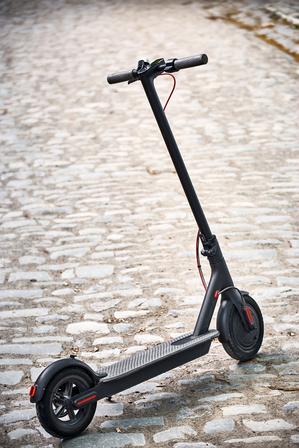
The battery is the single most expensive part of any electric moped, scooter, or dirt bike - often 30 to 40 percent of what you paid for the whole machine. Riders rarely retire a vehicle because the frame wore out. They retire it because the pack stopped holding a charge.
A well-treated lithium-ion pack is good for roughly 500 to 1,000 full cycles, or three to five years of normal riding. A mistreated one can lose a third of its capacity in a single year. The difference is not luck; it comes down to a handful of habits. Here is what actually matters.
What Is Inside an E-Moped Battery - and Why Charging Habits Matter
Most e-mopeds, electric scooters, and electric dirt bikes run on lithium-ion packs built from cylindrical cells (18650 or 21700) or flat prismatic cells, managed by a battery management system, or BMS. The BMS balances the cells and cuts the pack off before it is overcharged, over-discharged, or pushed past its temperature limits. It is a safety net, not a license to abuse the pack.
Batteries age in two ways:
Batteries age in two ways:
- Calendar aging - capacity fades with time even if the vehicle sits unused, and it fades faster when the pack is fully charged and warm.
- Cycle aging - every deep discharge and full recharge uses up a sliver of the pack total life.
Both mechanisms are slowed dramatically by two things: keeping the pack away from heat, and keeping it in the middle of its charge range instead of parked at the extremes.
Rule 1: Charge Often, But Not Always to 100%
The last portion of a charge puts the most stress on the cells. If your daily ride uses about 40 percent of the pack, recharge to 80 or 90 percent instead of topping off to 100 percent every night. Your battery will see meaningfully more cycles over its lifetime.
The exception is a long ride. Full charge is not the problem - sitting at full charge is. Charge to 100 percent the night before a 20-mile trip, ride it down, and let it rest at a lower level afterwards.
Good habits:
- Charge to 80-90 percent for everyday commuting
- Charge to 100 percent only right before a long ride
- Do not leave the pack sitting at 100 percent for days, especially in a hot garage
- Unplug within a couple of hours after the charger light turns green
Rule 2: Avoid Deep Discharge
Running the pack down to zero and leaving it there is the fastest way to permanently damage it. When cell voltage drops too low, the BMS may refuse to charge the pack at all, and the cells that do recover will hold less energy.
If you ever ride until the motor cuts out, plug in as soon as you reasonably can and bring the pack back to about 50 percent rather than storing it empty. Never leave a dead pack in a cold garage for the winter.
Rule 3: Temperature Is the Silent Killer
Heat is the number one enemy of lithium batteries. Charging or discharging a hot pack accelerates aging, and storing one in a sun-baked shed or a car trunk through summer can cost you capacity you will never get back.
Cold brings a different problem. Discharging a cold pack is fine - you will simply see reduced range - but charging a pack below freezing causes lithium plating, which is permanent damage. If you rode in near-freezing weather, let the battery come back to room temperature for an hour or two before plugging in.
Temperature rules:
- Store and charge between roughly 15C and 25C (60-77F)
- Never charge a pack that is below freezing or hot to the touch
- Do not leave the vehicle in direct summer sun with a full pack
Rule 4: Use the Right Charger, and Charge Safely
Always use the charger that came with your vehicle, or a manufacturer-approved replacement with matching voltage and current. Unmatched cheap chargers are a common cause of swollen packs, dead BMS boards, and, in the worst cases, fires.
Charge on a hard, non-flammable surface, away from curtains, cardboard, and anything else that burns. Do not charge in a hallway or doorway that blocks your exit. If you must charge overnight, do it with a healthy, original pack - and never with a damaged or water-damaged battery.
Cold Weather Riding: What to Expect
Range loss in winter is normal, not a defect. Expect 20 to 40 percent less range around freezing, depending on how the pack is mounted and how aggressively you ride. The capacity comes back when the weather does, as long as you do not charge the pack while it is frozen.
If you keep riding through winter, charge indoors at room temperature, keep the pack between 40 and 80 percent when you are not using it, and expect to plan shorter routes.
Long-Term Storage: More Than Two Weeks Off the Road
Storage rules:
- Charge to 50-60 percent - not full, not empty
- Keep it in a dry spot between about 10C and 20C (50-68F)
- Check every two to three months and top it back to 50-60 percent
- Never store a pack at 0 percent or at 100 percent for the season
- If you live somewhere with hard winters, bring the pack indoors
Getting More Range From the Battery You Already Have
Battery care is only half of range. The rest is how the vehicle is set up and ridden:
Range tips:
- Keep tires at the recommended pressure - under-inflation alone can cost 10 to 15 percent of your range
- Accelerate smoothly instead of pinning the throttle from a stop
- Use eco or limited-speed modes for commuting; save full power for when you need it
- Reduce stop-and-go where possible; steady speed is far more efficient than constant braking and accelerating
- Carry less weight and check that brakes are not dragging
- Expect hills and headwinds to eat range quickly, and plan routes accordingly
Warning Signs a Pack Is Nearing the End
Warning signs:
- Range has dropped more than 30 percent compared with when the vehicle was new
- Charging takes noticeably longer, or the charger shuts off early
- The pack gets hot during normal discharge or charging
- The casing is swollen, cracked, or shows signs of water intrusion
- The vehicle shuts off under load or reports voltage errors
Any swelling, burn smell, or visible damage means stop using and stop charging the pack immediately. Replacement batteries should always be manufacturer-approved models matched to your vehicle - not the cheapest listing with the right connector.
Battery Safety and Disposal
Never puncture, crush, or submerge a lithium pack, and never try to revive one that has been flooded. If a battery starts smoking or hissing, get away from it, evacuate the area, and call the fire department - lithium fires need a different response than a household fire.
When a pack finally reaches the end of its life, do not put it in curbside trash. Take it to a household hazardous waste facility or a battery recycler; many retailers also run take-back programs, and several states now require them. A lithium pack in a garbage truck is a genuine fire hazard.
A Simple Weekly Battery Routine
Weekly routine:
- Plug in when the pack drops to about 30-40 percent, not when it hits zero
- Unplug within two hours of the green light
- Keep the vehicle where it lives between 15C and 25C
- Check tire pressure while the charger is running
- Ride at least once a month - packs that sit unused age faster than packs that work
That is the entire routine. It takes less time than checking your email, and it is the cheapest performance upgrade available to any electric moped, scooter, or dirt bike owner.
Treat the battery like the expensive part it is: keep it cool, keep it between 20 and 80 percent, and it will outlast your urge to upgrade.
Final Thoughts
Whether you commute on an ALTFISHBIKE C1 Urban Commute, ride a 350W city scooter, or take the 3500W Electric Dirt Bike out on trails, the battery inside works the same way. Lithium packs do not fail suddenly - they fade, and the pace of that fade is set by how you charge, store, and ride.
Charge in the middle of the range, keep the pack out of extreme heat and cold, use the original charger, and store it half-full when the season ends. Do that, and you will get years of riding out of a pack that other owners would have replaced twice.

