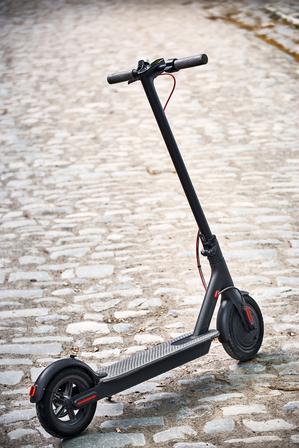
Electric scooters are one of the most affordable and practical ways to commute in cities. In 2026, the sub-$300 segment offers better value than ever, with capable 350W motors, 17-19 MPH top speeds, and foldable designs that make them easy to carry and store. Browse our curated Electric Scooters Under $300 collection to compare certified models side by side.
ALTFISHBIKE 350W — Best Overall Value at $189
The ALTFISHBIKE 350W delivers a 350W motor, a 17 MPH top speed, and 19 miles of claimed range that works out to 12-14 miles in real use, an LCD display with 3 speed modes, LED headlight, dual braking, and a foldable frame—all for just $189. It is the best value pick for budget commuters and students.
ALTFISHBIKE C1 — Best Foldable Commuter with Seat at $299
The ALTFISHBIKE C1 pairs a 450W motor (550W peak) with a comfortable padded seat, a rear cargo basket, and a foldable frame, making it ideal for daily commuters who value portability and practicality.
What to look for in a budget scooter:
- Motor power (250W-500W for city use)
- Real-world range (expect 20-30% less than advertised)
- Weight and folding mechanism for portability
- Dual braking systems for safety
- Tire type: pneumatic for comfort, solid for zero maintenance
Real Range vs Claimed Range: What $189 Actually Buys
A 350W scooter with a 36V 7.5Ah battery carries 270 watt-hours. A claimed 19 miles assumes a light rider, flat pavement, warm weather, and the slowest speed mode. A 165 lb adult at 12-15 MPH on mixed pavement should budget 12-14 miles per charge, and closer to 9-10 miles in winter or on hills. That is still a week of short commutes, but it is not 19 miles.
| Model | Motor | Battery | Claimed | Realistic | Weight | Price |
|---|---|---|---|---|---|---|
| ALTFISHBIKE 350W | 350W hub | 36V 7.5Ah (270Wh) | 19 mi | 12-14 mi | 28 lb | $189 |
| ALTFISHBIKE C1 | 450W (550W peak) | 36V 7.5Ah (270Wh) | 20 mi | 13-15 mi | 12-inch wheels | $299 |
Solid vs Pneumatic Tires: The Trade-off Nobody Explains
The 350W runs 8-inch solid tires. They cannot go flat, they need zero maintenance, and they are right for campuses, warehouses and smooth bike paths. The cost is a firmer ride on cracked asphalt. The C1 uses 12-inch pneumatic tires that soak up that punishment, at the price of checking pressure monthly. Smooth route: solid wins on hassle. Rough city: pneumatic wins on your wrists.
Brakes Decide Your Safety Margin
At 15-17 MPH you need roughly 15 feet to stop on dry pavement. The C1 fits front and rear disc brakes plus three speed modes capped at 9, 12 and 15.5 MPH, so a beginner can ride it at 9 MPH on day one. On any budget scooter, check which wheels actually brake: a single rear brake on a 28 lb scooter is workable on flat ground and genuinely weak on a downhill.
What Sellers Inflate Most (and How to Catch It)
Four claims to verify before you pay:
- Range is measured at the lowest speed mode with a light rider. Ask what speed the number was recorded at.
- Watts may be peak instead of rated. A motor sold as 350W peak is often a 250W continuous motor underneath.
- Max load is a structural limit, not a comfort limit. A 264 lb rating does not mean a 240 lb rider will enjoy the ride.
- Certification must come with a file number you can look up. A logo printed on a box proves nothing.
Who Should Buy Which
Match the scooter to the route, not to the spec sheet:
- Flat-city riders under 200 lb doing under 8 miles a day: the 350W at $189, which folds to 43 x 17 x 15 inches and weighs 28 lb.
- Commuters facing hills, carrying a bag, or riding 30+ minutes: the C1 at $299 with a padded seat, rear basket, 12-inch tires and disc brakes front and rear.
- Buying for a teenager: read the certification section first. Our UL 2272 guide explains the six tests and how to verify a real certificate.
Battery Habits That Double Lifespan
A 36V lithium pack is rated for roughly 500-800 full cycles. Three habits stretch that: keep the pack between 20% and 80% for daily use, never charge a cold pack straight off a winter ride, and store it near 50% if the scooter sits for a month. Leaving it plugged in at 100% in a hot garage is the fastest way to lose a third of its capacity inside a year. Our battery care guide goes deeper on charging speeds and storage.
Final Thoughts
Whether you choose the ALTFISHBIKE 350W at $189 for maximum value or the C1 at $299 for enhanced portability and comfort, a sub-$300 electric scooter is a smart investment that pays for itself in gas and parking savings within months. Before you buy, make sure the scooter carries proper safety certification - read our UL 2272 Safety Guide to learn what to look for.
Frequently Asked Questions
Is a $189 electric scooter good enough for daily commuting? For flat-city trips under 8 miles round trip, yes. The ALTFISHBIKE 350W weighs 28 lb, folds small and carries a 264 lb max load. Above 8 miles, on hills, or over rough pavement the C1 at $299 is the more comfortable choice.
How fast does a 350W electric scooter actually go? The ALTFISHBIKE 350W tops out at 17 MPH. Most riders sit at 12-15 MPH, which is also where the range estimate holds up best.
How far will a 36V 7.5Ah battery really take me? About 12-14 miles for a 165 lb rider on flat pavement at moderate speed. Expect 9-10 miles in cold weather, into a headwind, or on regular hills.
Do sub-$300 scooters need UL 2272 certification? Insist on it. UL 2272 tests the whole electrical system, including battery, charger and motor controller, against short circuit, overcharge and thermal abuse. Ask for the UL file number and verify it in the UL Product iQ database before buying.